
Don’t Write?!

Don’t Write?!

I’ve been thinking a lot about being a writer in this world. Not about the need to raise our diverse voices, or to break down the barriers that keep too many of us silent; not about the role of writers to expand our collective understanding of what it means to be human. I’ve been thinking about the opposite: about how our current culture is strangling art, and how we are letting it.

You’ve been reading, surely, about authors’ declining income, about our paltry sales figures (even for prize winners). You’ve quite likely read suggestions on the Internet for “making a living” as a writer. But when money “makes” our very lives; when money is the measure of our worth, we are living in Opposite Land. And in Opposite Land, where art equals product, equals sales, equals giving some ill-defined readership what “they” are presumed to want, it can sometimes feel impossible to begin to get words onto a page.

How do we write in this climate of efficiency, productivity and bestseller lists? One way is to embrace opposition, and contradiction, in our writing spaces. If you are looking for a new approach, or some inspiration to energize your writing in a corporate world, here are a few suggestions:

Don’t write: At least, don’t start with the blank page on your computer screen. You’ll find yourself counting pages, or words, and disparaging the quality of your delicate first draft. Instead, grab a journal, and start writing by hand. Try out voices, descriptions; rough out a scene. Cross out, draw arrows, and keep going; messiness can be very freeing. Jot down notes and ideas for later. Record your questions without stopping for the answers. If you brainstorm your way into a dead end, let it be. Your brain is pondering the problem in the background; the answer might sneak up on you in time! You are building pressure in that journal, and when it is bursting with ideas, your blank computer screen will be irresistible. Don’t forget: your journal is waiting for you whenever you want to come back to play.

Don’t edit: Once you are writing, let it flow. If one path peters out, jump to something that feels urgent. Be prepared to be surprised, and to follow those surprises, but try to resist the urge to go back to fix what you have. If the writing is going well, it will keep shifting and changing. You won’t know what each element of the story is supposed to do until you get to the end of the first draft. Revising, and especially polishing, parts of your manuscript too early can be detrimental because you run the risk of making something read so well that it’s hard to see that you are supposed to cut it, or move it, or reassign it to a different character. If that urge to revise is coming from the need to have a product and pages to show for your time: resist!

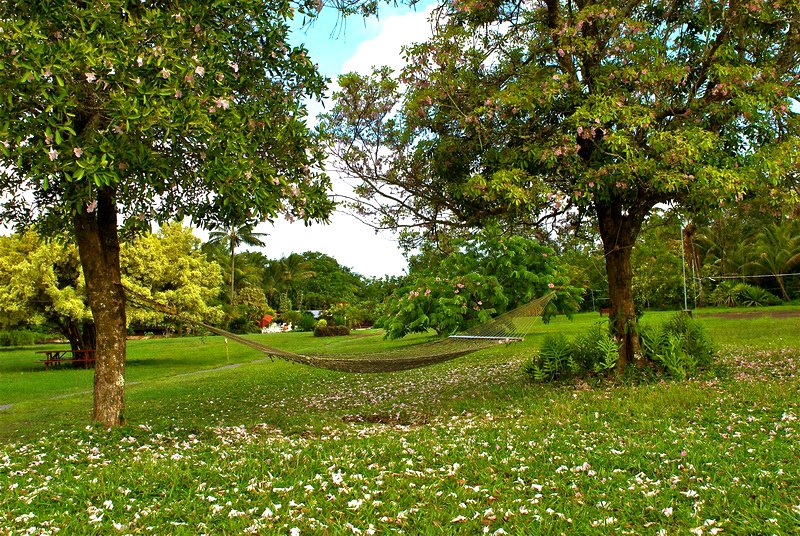
Don’t isolate yourself: You know the atmosphere you write best in; maybe it’s a wild, quiet garden, or a room with no windows, or a crowded café. But regardless of what you need to do to empty yourself out onto the page, don’t forget to fill yourself back up. Populate your life with books, movies, music, other people; get outside. Exercise your ability to recognize patterns and see how your concerns echo other people’s stories, and the world around you. Plugging yourself into your community will give you energy, and remind you that your writing is meaningful to others.

Don’t focus on success: Which is, of course, what I have been saying all along. With each book I have written (and I am playing with my fourth), I have had to teach myself how to write all over again. The judgment and expectation that come from having or wanting success are the best ingredients for writer’s block. Creativity requires a beginner’s mind, and a willingness to fail, combined with the courage – stubbornness even – to keep learning and playing and trying something new. In our product-driven world, writing, and living, are both processes. Trust the process, and the product will come.

(This post from our archives was written before 2020.)
The Gifts of Retreat

The Gifts of Retreat

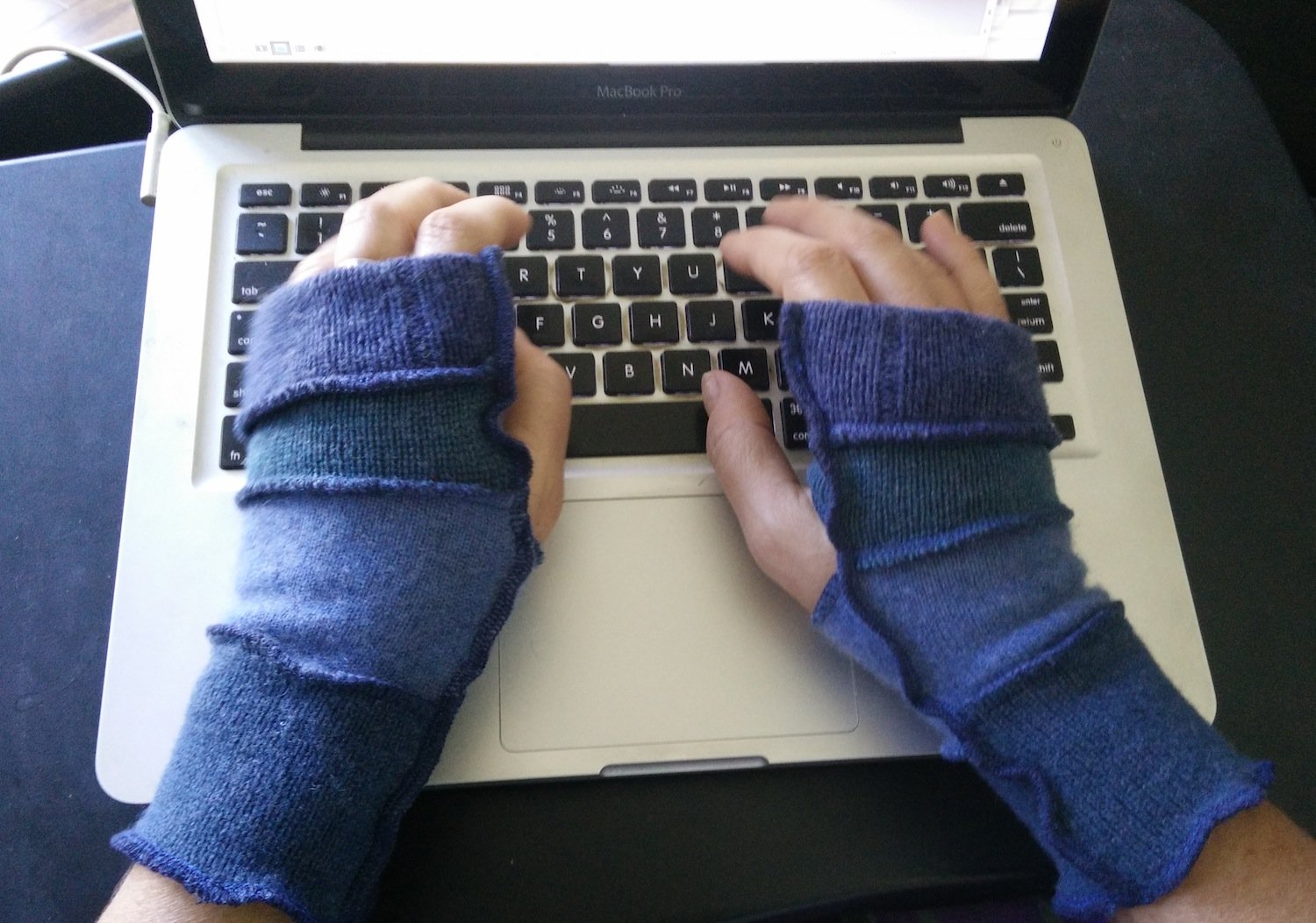
fingerless gloves tightIt’s 94 degrees in Brooklyn, and I am writing in a pair of blue cashmere fingerless gloves. They are a gift from a dear friend – crafted from recycled goodness, and sent from Canada. They are also a shared talisman that connects me to my tribe: a group of women who inspire me, recognize me, support me, and challenge me. Women writers.

We found each other in retreat. At Hedgebrook, an oasis for women writers on Whidbey Island, famous for its radical hospitality. Hedgebrook is the only retreat I have ever been to, though, as I write this, I am poised to announce a new, week-long retreat in Hawaii that will combine three of the ingredients that Hedgebrook uses to create magic: place, space and community. It’s hard to imagine that, once, I was a writer who thought, because I have my own office at home and time to write, a retreat wouldn’t offer me anything I didn’t already have.

So how wrong was I?

Place first. A retreat is surely always beautiful. A setting that makes you want to breathe in deep, go for walks, listen to the birds (or frogs, owls, or the rain on the leaves). A place that awakens your senses, that reminds you to be in your body and use it when you write. Where you find a new rhythm that allows you to feel your too-familiar ones, which is to say to see yourself and your work with new eyes. A great retreat will also encourage you to stay inside and get lost in the other realm you created. To be in both worlds at the same time.

Let’s talk about that getting lost, because that is key too: more than no cell phones; an abundance of delicious food you didn’t have to prepare; no one asking you where the scissors are or if we are out of toilet paper (and jeez, it was just a simple question!). Quiet time at a retreat means that there is nothing else to do for quite a while. You’ve given yourself the gift of time, you’ve likely traveled far, and what I have found for myself is: the space that opens up for me changes my relationship to my work. Whereas at home I am much more likely to be thinking about product – how much have I accomplished? Can I fix this? Is it finished? And if it isn’t, can’t I wash the dishes instead? – when I am in retreat, I am able to look beneath the surface of the work and break it open, because, why not? I have the time. I can always go back to my earlier draft. The quiet writing time of a retreat, for me, has been a time when I can play, explore, take a risk, step off the path. And I have been able to tap into the heart of something, unseen, shifting, necessary. Something that, honestly, when I was home, even in the quiet of my own lovely writing room, I didn’t know was there.

The final piece, which my Goddard colleague Nicky Morris pointed to in a recent blog post, is community. Other writers. It’s a little counterintuitive that one would be going off into the woods to have conversations, but other writers – peers, mentors, students – are the source of the true gifts of retreat: inspiration and encouragement that continue long after you leave. They are the ones who – on that day when you decided to take a risk and rewrite your manuscript in the first person plural – serendipitously have the perfect story, “We,” and four other book recommendations that find their way magically into your email inbox. Or, on a long walk with a new friend, you might confide your current struggle – that you are writing your third book, say, and yet with every one it seems like you have to teach yourself to write all over again – and you find out that she has exactly the same experience, and she’s on book number eight. If your retreat also includes workshops, the support you get from your community will be more directly focused on your creations, rather than the writing life: a prompt to try, a comment about an aspect of your work that is really haunting, or a suggestion for finding a way to rethink something that isn’t working. Maybe you will be the student who finds a flash of inspiration from the first writing prompt and ignores everything else in the workshop because you are lost in your own world, writing. Maybe you will be the one who reads a brand new piece at the final evening open mike and brings everyone to tears. Maybe you will leave with a journal full of new ideas, beginnings, and go-to exercises for when you are home and stuck.


I know you will leave with life-long friends. I have, every time. From my last retreat, which began with Vortext, I gained a new sisterhood, as well as great enthusiasm for the writers who attended, some of whom (and I know this because I worked with them, heard them read, ate with them) you will be reading someday. I also left with a pair of red fingerless gloves (my winter pair!) handknit by one of the writers who attended. I have other gifts and talismans too – from homemade jelly to a carved ivory mermaid, crystal balls, a book, a four leaf clover, a pencil so elegant I am afraid to write with it, plastic earrings that (I kid you not) say “Compost Queen,” a ginger lollipop (no, I ate that); the list, as already crazy-long as it is, goes on.   These gifts are evidence of the magic that happens in retreat, and reminders that we are in this together; they are my motivation to help create another space for writers in the world. Even now that I am home again, I know I am not alone. They – you – are out there too.

(This post from the archives was written just as Pele’s Fire was launching in 2015)